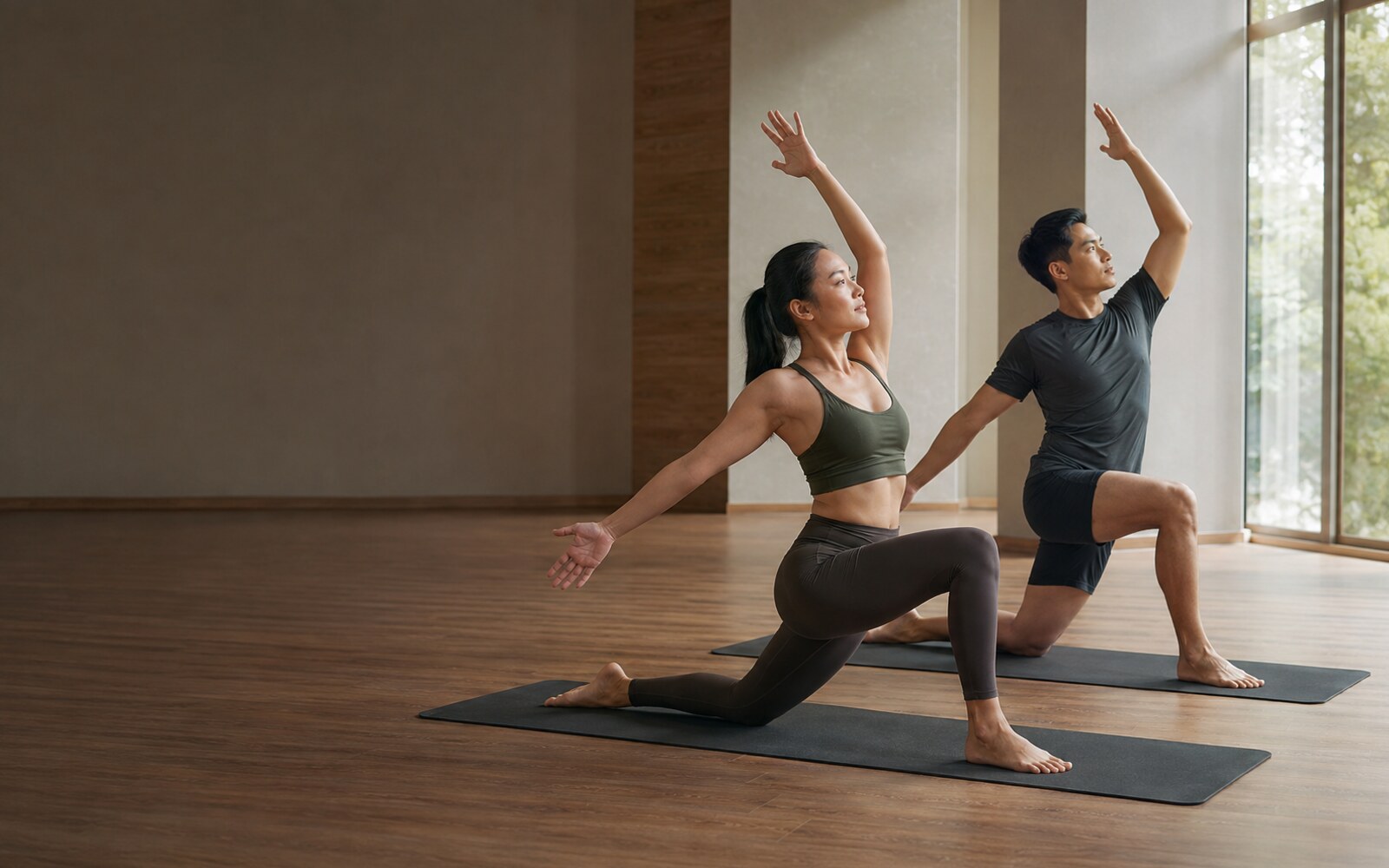
A capsule training wardrobe is a practical inventory, not a prescribed number of matching outfits. Build one around your own schedule, laundry capacity and activities; keep usable items and replace only the gaps that repeatedly affect training.
Count sessions before garments
How many garments you need depends on the workouts between laundry days, not on a fixed influencer checklist. A capsule should reduce friction rather than enforce a fashion rule.
Write down a real seven-day schedule, mark sweaty sessions and count how many tops and bottoms are needed before the next laundry load.
Adding a duplicate set for every hypothetical workout can fill a wardrobe without providing additional useful coverage.
Use a tight colour system if it helps
A limited palette can simplify combining pieces, but colour coordination is optional. Function and comfort should remain the filter.
Identify which existing colours already work together, then avoid new colours that demand a matching purchase just to be worn.
Do not replace usable clothing only to make the collection visually consistent; that undermines the practical and resource-saving aim.
- Check: Identify which existing colours already work together, then avoid new colours that demand a matching purchase just to be worn.
- Compare: A limited palette can simplify combining pieces, but colour coordination is optional.
- Avoid: Do not replace usable clothing only to make the collection visually consistent; that undermines the practical and resource-saving aim.
Choose two reliable silhouettes
A few dependable cuts make packing and dressing simple. Different activities may need different support or coverage even within the same wardrobe.
Keep one fit that works for gym movement and another where needed for walking or outdoor exposure; test each before buying duplicates.
Buying five copies of an untested silhouette multiplies the same waistband, chafing or sizing mistake.
Add one weather layer
Weather protection is a separate decision from everyday exercise clothing. One versatile outer layer may cover several activities if it packs easily and suits the climate.
Check whether your current wind or rain layer already fits over the base pieces and can be carried comfortably during a session.
A heavy all-weather jacket may be too warm for fast runs and too bulky for a small bag. Versatility is limited by actual use conditions.
Let footwear reflect actual training
Shoes are not interchangeable solely because they match the wardrobe. Activities and floor surfaces may create distinct grip or stability needs.
Map the shoes you own against weekly road runs, gym classes and casual walks, and replace only a pair with a clear functional gap.
Buying an extra shoe just for coordinated colours can consume more budget than resolving a genuine fit problem in the pair used most often.
- Check: Map the shoes you own against weekly road runs, gym classes and casual walks, and replace only a pair with a clear functional gap.
- Compare: Shoes are not interchangeable solely because they match the wardrobe.
- Avoid: Buying an extra shoe just for coordinated colours can consume more budget than resolving a genuine fit problem in the pair used most often.
Replace strategically
A capsule evolves through use. Worn-out items and newly discovered needs should guide replacements rather than seasonal collection launches.
Review what was worn during the past month, identify unused items and mend or replace the piece that repeatedly prevents a comfortable session.
Do not treat every new product claim as a reason to rebuild the wardrobe. Repeatability is the point of a capsule.
Let weekly use define the capsule
Count weekly workouts, laundry intervals and the outfits you already wear repeatedly. Build the capsule from those pieces and cover only the gaps that remain.
Keep colours simple if it helps dressing, but do not discard functional kit merely to match a palette. Review the system after a month of real use before adding duplicates.
Frequently asked questions
How many pieces belong in a training capsule?
Count real sessions and laundry gaps rather than following a universal item total.
Does a capsule wardrobe require buying matching colours?
No. Keeping useful existing pieces is more practical than replacing them to achieve a colour scheme.
When is a second pair of trainers worthwhile?
When your repeated activities create clearly different fit or stability demands; colour matching alone is not a functional reason.
Bottom line
A smaller wardrobe works only if the pieces serve your actual sessions between washes. Keep functioning items, identify repeated gaps and resist rebuilding everything for a seasonal colour scheme.