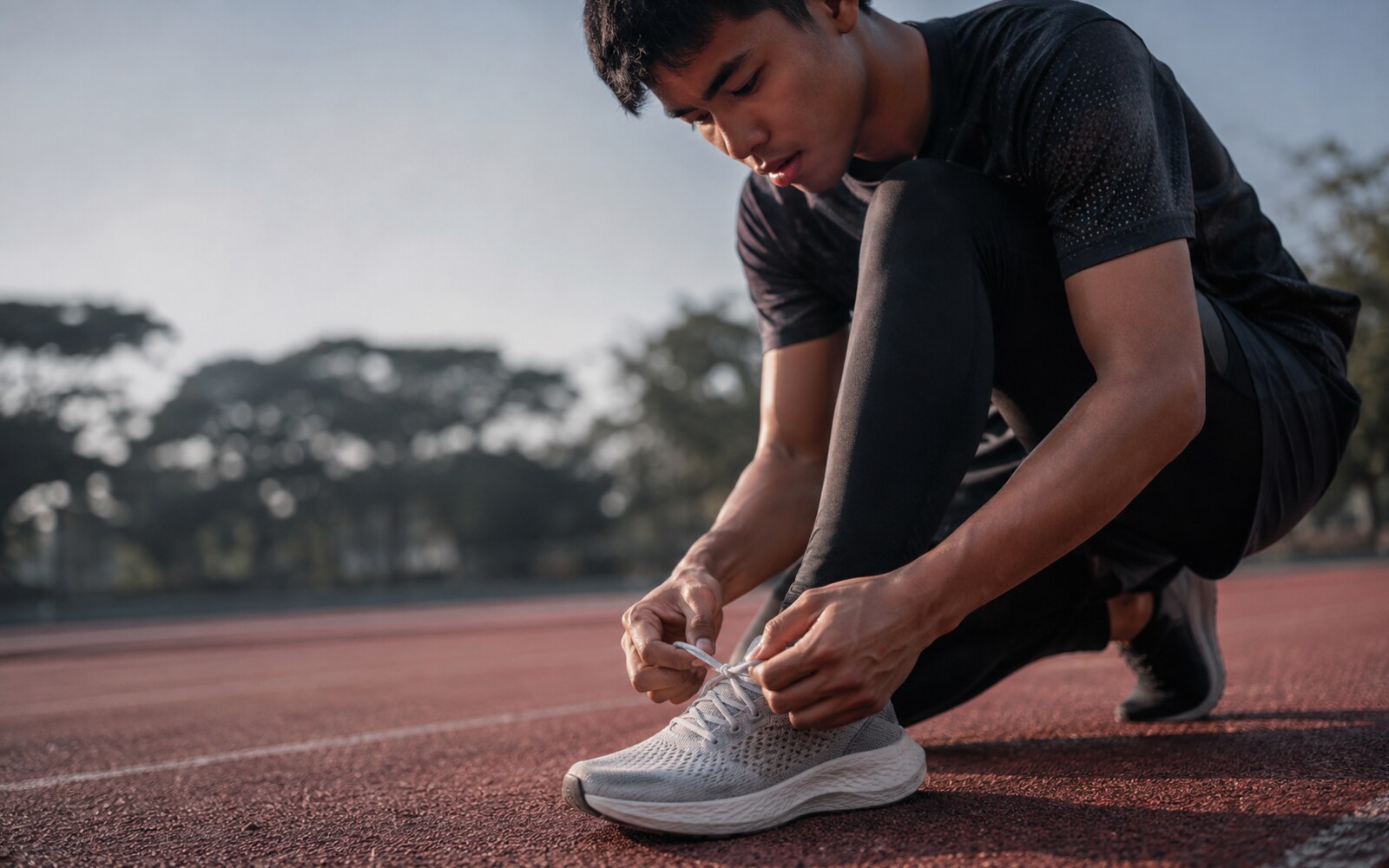
Buy fewer, better-used pieces and assess durability, repairability and real need. This guide is designed for readers who want to make practical decisions about sustainable sportswear without treating every product launch as a breakthrough. Instead of ranking brands, it explains the questions worth asking, the trade-offs that matter and the small fitting checks that can prevent an expensive mistake. The emphasis is everyday UK use: real training weeks, variable weather, ordinary laundry routines and bodies that do not always match a standard size chart.
The lowest-impact purchase may be no purchase
Before upgrading, ask whether existing kit still performs its job. Extending useful life is often the simplest way to reduce consumption.
A sensible comparison uses two or three criteria at a time. With sustainable sportswear, those might be fit, control and durability rather than a long checklist of technologies. This makes it easier to compare products across price points without being distracted by proprietary names that are difficult to evaluate independently.
Try to separate preference from necessity. Some athletes enjoy a close, technical feel; others perform perfectly well in simpler kit with a relaxed cut. Before upgrading, ask whether existing kit still performs its job. Extending useful life is often the simplest way to reduce consumption. The right answer is the one that supports consistent training, does not create discomfort, and fits the way the item will really be washed, carried and used.
Durability is a sustainability feature
Strong seams, replaceable insoles, repairable details and fabrics that hold shape can reduce replacement frequency.
Try to separate preference from necessity. Some athletes enjoy a close, technical feel; others perform perfectly well in simpler kit with a relaxed cut. Strong seams, replaceable insoles, repairable details and fabrics that hold shape can reduce replacement frequency. The right answer is the one that supports consistent training, does not create discomfort, and fits the way the item will really be washed, carried and used.
Strong seams, replaceable insoles, repairable details and fabrics that hold shape can reduce replacement frequency. The useful way to assess this is to focus on repeatable behaviour rather than a single impressive feature. Notice what happens after ten minutes, after the fabric is warm, and when the movement becomes less tidy because you are tired. Performance kit earns its place when it removes friction from those ordinary moments.
- Move through the biggest joint angles in your session.
- Check how the item feels after several minutes, not just at first touch.
- Compare at least two fits or constructions if the first option is only “fine”.
Use recycled-content claims carefully
Recycled fibres can reduce demand for virgin inputs in some contexts, but a single percentage does not describe the full environmental impact of a product.
Recycled fibres can reduce demand for virgin inputs in some contexts, but a single percentage does not describe the full environmental impact of a product. The useful way to assess this is to focus on repeatable behaviour rather than a single impressive feature. Notice what happens after ten minutes, after the fabric is warm, and when the movement becomes less tidy because you are tired. Performance kit earns its place when it removes friction from those ordinary moments.
For UK readers, context matters. Indoor studios, wet pavements, cold starts and changeable wind can all alter what feels comfortable. Recycled fibres can reduce demand for virgin inputs in some contexts, but a single percentage does not describe the full environmental impact of a product. That does not mean buying specialist kit for every forecast; it means understanding which property solves the problem you actually encounter most often.
Care affects lifespan
Washing at appropriate temperatures, avoiding unnecessary tumble drying and repairing minor damage can keep garments in service longer.
For UK readers, context matters. Indoor studios, wet pavements, cold starts and changeable wind can all alter what feels comfortable. Washing at appropriate temperatures, avoiding unnecessary tumble drying and repairing minor damage can keep garments in service longer. That does not mean buying specialist kit for every forecast; it means understanding which property solves the problem you actually encounter most often.
A sensible comparison uses two or three criteria at a time. With sustainable sportswear, those might be fit, control and durability rather than a long checklist of technologies. This makes it easier to compare products across price points without being distracted by proprietary names that are difficult to evaluate independently.
Buy versatile pieces
A shell that works for running, walking and commuting may replace several narrowly used garments.
A sensible comparison uses two or three criteria at a time. With sustainable sportswear, those might be fit, control and durability rather than a long checklist of technologies. This makes it easier to compare products across price points without being distracted by proprietary names that are difficult to evaluate independently.
Try to separate preference from necessity. Some athletes enjoy a close, technical feel; others perform perfectly well in simpler kit with a relaxed cut. A shell that works for running, walking and commuting may replace several narrowly used garments. The right answer is the one that supports consistent training, does not create discomfort, and fits the way the item will really be washed, carried and used.
- Prefer features you can explain in plain language.
- Check care instructions before purchase.
- Keep receipts and return conditions until the movement test is complete.
Plan the end of use
Donation, resale and textile take-back options depend on condition and local availability. Keep products in usable condition for as long as practical.
Try to separate preference from necessity. Some athletes enjoy a close, technical feel; others perform perfectly well in simpler kit with a relaxed cut. Donation, resale and textile take-back options depend on condition and local availability. Keep products in usable condition for as long as practical. The right answer is the one that supports consistent training, does not create discomfort, and fits the way the item will really be washed, carried and used.
Donation, resale and textile take-back options depend on condition and local availability. Keep products in usable condition for as long as practical. The useful way to assess this is to focus on repeatable behaviour rather than a single impressive feature. Notice what happens after ten minutes, after the fabric is warm, and when the movement becomes less tidy because you are tired. Performance kit earns its place when it removes friction from those ordinary moments.
A simple buying framework
Write down the activity, surface, typical session length and weather exposure before you shop. Then list the two problems your current kit creates most often. That might be heel slip, overheating, waistbands moving, poor wet grip or a layer that becomes clammy. Shop to solve those problems first.
Next, compare products on fit and construction before technical names. For clothing, look at seam placement, stretch recovery, fabric weight and pocket position. For footwear, check width, heel hold, platform stability and outsole shape. Finally, consider care and expected frequency of use. An item that works across three weekly sessions usually delivers more value than a specialised piece you rarely reach for.
Frequently asked questions
What should I prioritise when choosing sustainable sportswear?
Start with fit and the demands of the activity. Then compare the properties that solve a real problem for you, such as grip, stability, breathability, weather protection or wash durability.
Does more expensive sustainable sportswear always perform better?
No. Price can reflect materials, design, branding and distribution as well as performance. A well-fitting mid-priced item can be more useful than a premium product that does not suit your movement or routine.
How should I test sustainable sportswear before committing?
Use a movement test that resembles the activity, keep the item in returnable condition where applicable, and pay attention to pressure, slipping, restriction, heat and repeated adjustment.
Bottom line
Good sustainable sportswear should become almost unremarkable once you start moving. It should fit, stay comfortable, cope with the activity and survive normal care without demanding constant attention. Use the principles in this guide as a filter: define the task, test fit in motion, choose useful material properties and pay only for features you can explain. That approach is slower than buying by hype, but it is usually more repeatable and more useful.